1. Allergies: Could Your Dog Have Itchy Paws?
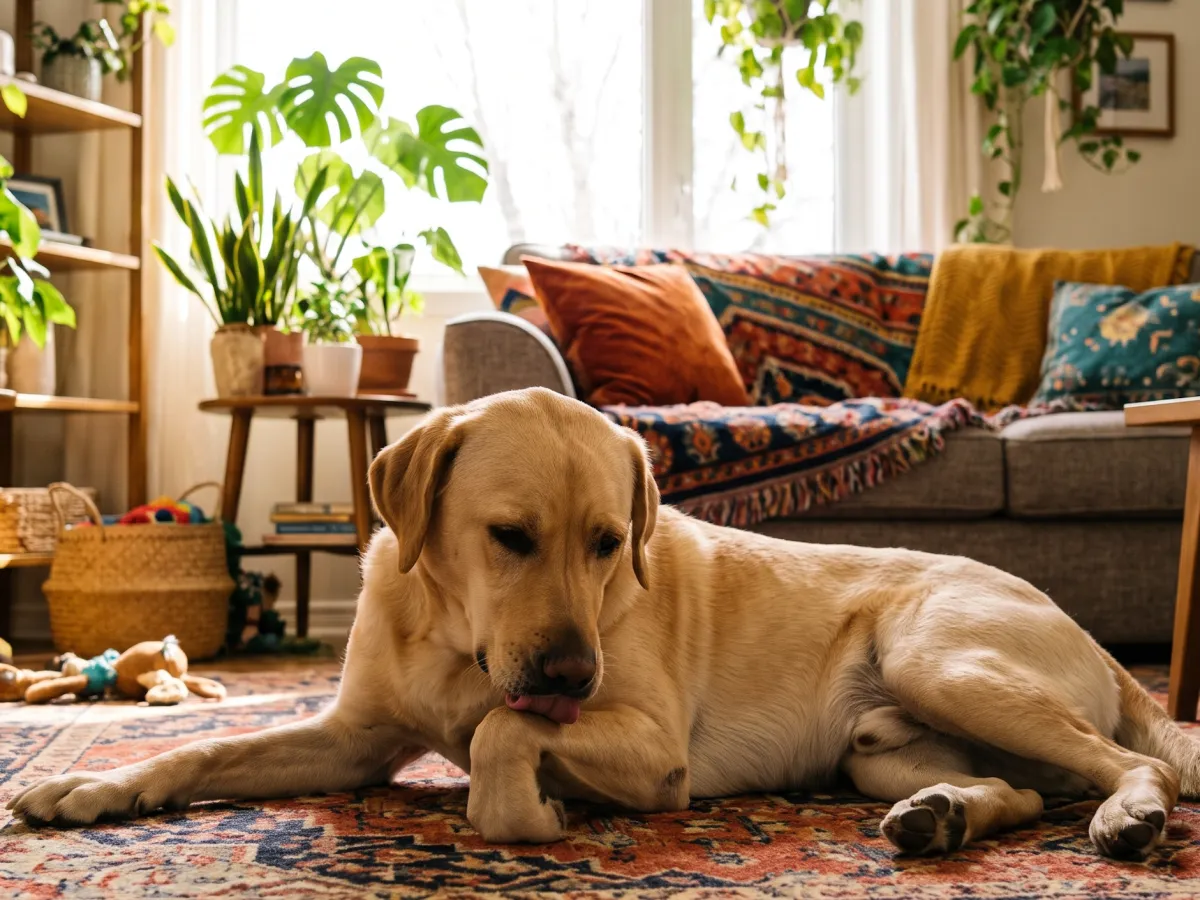
One of the possible causes of excessive paw licking in dogs is allergies.
Just like humans, dogs can develop allergic reactions to things in their environment. Grass, pollen, dust mites and mould can all trigger allergies, leading to itchy, irritated skin.
Environmental allergies, also known as atopic dermatitis, commonly affect areas such as the paws, ears, face and stomach.
Some common signs of allergies in dogs include:
- Constantly licking or chewing their paws.
- Scratching their ears or rubbing their face.
- Red, inflamed or irritated skin.
- Recurring ear infections.
- Excessive scratching or biting at their skin.
If your dog seems particularly itchy after walks or spending time outdoors, environmental allergies could be worth investigating.
If the itching persists, it's best to consult your vet to identify the underlying cause.
2. Could Your Dog's Food Be Causing Itchy Paws?
Sometimes, the answer could be hiding in your dog's food bowl.
Dogs can develop food allergies or sensitivities to certain ingredients in their diet. These reactions can contribute to skin irritation, itching and digestive problems.
Common food allergens in dogs include certain animal proteins, such as beef, chicken and dairy. Dogs can also develop reactions to other ingredients, including maize.
Some signs that your dog could have a food-related sensitivity include:
- Frequently licking or chewing their paws.
- Itchy skin that doesn't seem to go away.
- Recurring ear infections.
- Red or irritated skin.
- Digestive problems, such as vomiting or diarrhoea.
If your dog experiences several of these symptoms, it may be worth discussing potential food sensitivities with your vet.
What Ingredients Should You Look for in Your Dog's Food?
Understanding what goes into your dog's food is an important part of making informed nutritional choices.
At BuddyMeal, we believe that no two dogs are the same, which is why we take individual nutritional needs and dietary sensitivities into consideration.
Our recipes are:
- Maize-free: For owners looking to avoid maize in their dog's diet.
- Gluten-free: Made without gluten-containing ingredients.
- Soy-free: Formulated without soy.
- Grain-free options: Available for dogs whose nutritional needs call for a grain-free diet.
We also use carefully selected ingredients, including potato as a carbohydrate source, alongside prebiotics that help support digestive health.
Why Is Gut Health Important for Dogs?
Your dog's digestive system does much more than simply process food. Gut health plays an important role in digestion, nutrient absorption and immune function.
Prebiotics help nourish beneficial gut bacteria, supporting a healthy digestive environment.
Because the gut and immune system are closely connected, supporting digestive health is an important part of your dog's overall wellbeing.
While improving your dog's diet won't necessarily resolve allergies or itchy paws, choosing appropriate nutrition can play a valuable role in supporting their health.
3. Environmental Irritants and Everyday Adventures
Sometimes, the reason your dog keeps licking their paws has nothing to do with their food.
Your dog's paws come into contact with all sorts of things throughout the day, from grass and sand to cleaning products and outdoor irritants.
These substances can cause irritation, particularly between the toes and around the paw pads.
After walks, take a moment to check your dog's paws for:
- Small cuts or scratches.
- Grass seeds or other objects stuck between their toes.
- Redness or swelling.
- Irritation from grass, sand or hot surfaces.
A simple habit that can help is gently wiping your dog's paws with a damp cloth after walks to remove dirt and potential irritants.
If you notice persistent irritation, swelling or discomfort, have your dog checked by a vet.
4. Skin Infections Can Make Paw Licking Worse
Excessive paw licking can sometimes create a cycle of irritation.
When dogs repeatedly lick their paws, the constant moisture can damage the skin and create an environment where bacteria and yeast can multiply.
This can lead to secondary skin infections, making your dog's paws even itchier and more uncomfortable.
Look out for these signs:
- Red or swollen paws.
- An unusual or unpleasant smell.
- Brown staining around the fur.
- Soreness between the toes.
- Discoloured or irritated skin.
If you notice any of these symptoms, it's important to have your dog examined by a vet. Treating the underlying cause, as well as any secondary infection, is key to helping your buddy recover.
5. Boredom, Anxiety or Stress
Not all paw licking is caused by allergies or physical irritation.
Some dogs lick their paws as a way of self-soothing when they're bored, anxious or stressed.
If your dog tends to lick their paws when they're home alone, settling down for the evening or not getting enough stimulation, their behaviour could be linked to their emotional wellbeing.
Here are a few ways to keep your dog mentally stimulated:
- Make time for regular walks and playtime.
- Introduce interactive toys and enrichment activities.
- Give them opportunities to explore new environments.
- Provide plenty of attention and positive interaction.
If the behaviour is persistent or difficult to interrupt, speak to your vet to rule out physical causes and discuss possible behavioural support.
How Can Your Dog's Diet Support Healthy Skin and Coat?
While food isn't the answer to every case of paw licking, nutrition plays an important role in your dog's overall health, including their skin and coat.
When choosing dog food, there are a few nutritional factors worth considering.
1. Pay attention to ingredients
Knowing which proteins and other ingredients are in your dog's food can help you identify potential sensitivities with the guidance of your vet.
2. Consider your dog's individual needs
Your dog's age, breed, weight, activity levels and dietary sensitivities all play a role in choosing an appropriate diet.
3. Don't overlook Omega 3 and Omega 6
These essential fatty acids support normal skin function and help maintain a healthy coat.
4. Support digestive health
Prebiotics help nourish beneficial gut bacteria and support a healthy digestive system, contributing to your dog's overall wellbeing.
5. Speak to your vet about suspected food allergies
If you suspect your dog has a food allergy, your vet may recommend a properly managed elimination diet to identify the ingredient causing the reaction.
Simply switching between different dog foods isn't always enough to identify the problem.
When Should You Be Concerned About Your Dog Licking Their Paws?
An occasional paw lick isn't usually something to worry about. However, if your dog is constantly licking, chewing or biting their paws, it's worth investigating.
Persistent paw licking, redness, swelling, unpleasant smells, open sores or limping are all reasons to book a veterinary appointment.
The sooner you identify what's causing the irritation, the sooner you can help your buddy feel comfortable again.
Remember, excessive paw licking is a symptom rather than a diagnosis. Identifying the underlying cause is always the best place to start.
Every Buddy Deserves Food That's Made for Them
At BuddyMeal, we believe that no two dogs are the same, so why should they all eat the same food?
Your dog's nutritional needs are unique, which is why our personalised dog food recipes take their age, breed, weight, activity levels and dietary sensitivities into consideration.
With maize-free, gluten-free and soy-free recipes, as well as grain-free options, we make it easier to find a meal plan that considers your dog's individual nutritional needs.
Because a happy, healthy buddy starts with the right nutrition.
Ready to find food made for your buddy?
Take our 2-minute Buddy Quiz and discover a personalised meal plan tailored to your dog's needs.
FAQs
Why does my dog keep licking their paws?
Dogs may lick their paws for several reasons, including environmental allergies, food sensitivities, skin infections, injuries or irritation. Occasional licking is normal, but persistent paw licking could indicate an underlying issue that needs attention. If it continues, it's best to consult your vet.
Can dog food cause itchy paws?
Yes. Food allergies and sensitivities can contribute to itchy skin, irritated paws and recurring ear problems. Certain proteins and other ingredients, including maize, may trigger reactions in some dogs. If you suspect a food allergy, speak to your vet about identifying the ingredient responsible.
Is BuddyMeal suitable for dogs with food sensitivities?
BuddyMeal offers personalised recipes that are maize-free, gluten-free and soy-free, with grain-free options available. During the Buddy Quiz, you can share your dog's dietary sensitivities so they can be considered when creating their personalised meal plan.
What ingredients support healthy skin and coat in dogs?
Omega 3 and Omega 6 fatty acids are important nutrients that support normal skin function and help maintain a healthy coat. A balanced diet also provides essential nutrients for overall wellbeing. Prebiotics can help support digestive health by nourishing beneficial gut bacteria.
Does gut health affect my dog's skin?
Your dog's gut plays an important role in digestion, nutrient absorption and immune function. The gut and immune system are closely connected, making digestive health an important part of overall wellbeing. Prebiotics help nourish beneficial gut bacteria and support a healthy digestive environment.
How does BuddyMeal personalise my dog's food?
Every dog has different nutritional needs. BuddyMeal uses a 2-minute online quiz to learn about your dog's age, breed, weight, activity levels and dietary sensitivities. Based on their answers, we create a personalised recipe and feeding plan tailored to your buddy.