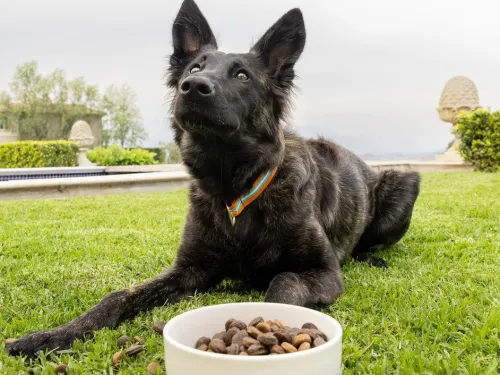

Protein isn't just one of many nutrients in your dog's bowl — it's the cornerstone of almost every biological process keeping your pup alive and thriving. Muscles, skin, hair, hormones, enzymes, and even immune cells are all built from amino acids derived from dietary protein.
Complete vs Incomplete Proteins
Dogs require 22 amino acids to function optimally. Their bodies can synthesise 12 of these, but the remaining 10 — known as essential amino acids — must come from food. Animal-based proteins like chicken, beef, lamb, and fish are considered "complete" because they contain all essential amino acids in appropriate ratios. Plant-based sources are generally incomplete and need to be carefully combined to fill the gaps.
How Much Protein Does Your Dog Actually Need?
The AAFCO minimum for adult dogs is 18% protein on a dry matter basis, but many nutritionists recommend 25–30% for optimal health. Active dogs, pregnant females, and puppies all have higher requirements. At BuddyMeal, we take into account your dog's breed, age, weight, and activity level to determine the right protein target for their custom blend.
Quality Over Quantity
Not all protein is created equal. Digestibility matters enormously — a food can have a high protein percentage on paper but still fail to deliver adequate amino acids if those proteins are poorly digestible. Named meat meals (e.g. "chicken meal") are actually highly concentrated protein sources and are not inherently inferior to whole meats.
Signs Your Dog May Not Be Getting Enough Protein
- Dull, brittle coat
- Slow muscle recovery after exercise
- Frequent illness or slow wound healing
- Low energy and lethargy
If you're unsure whether your dog's current food is hitting the mark, our nutritional assessment tool can give you a personalised breakdown in under two minutes.